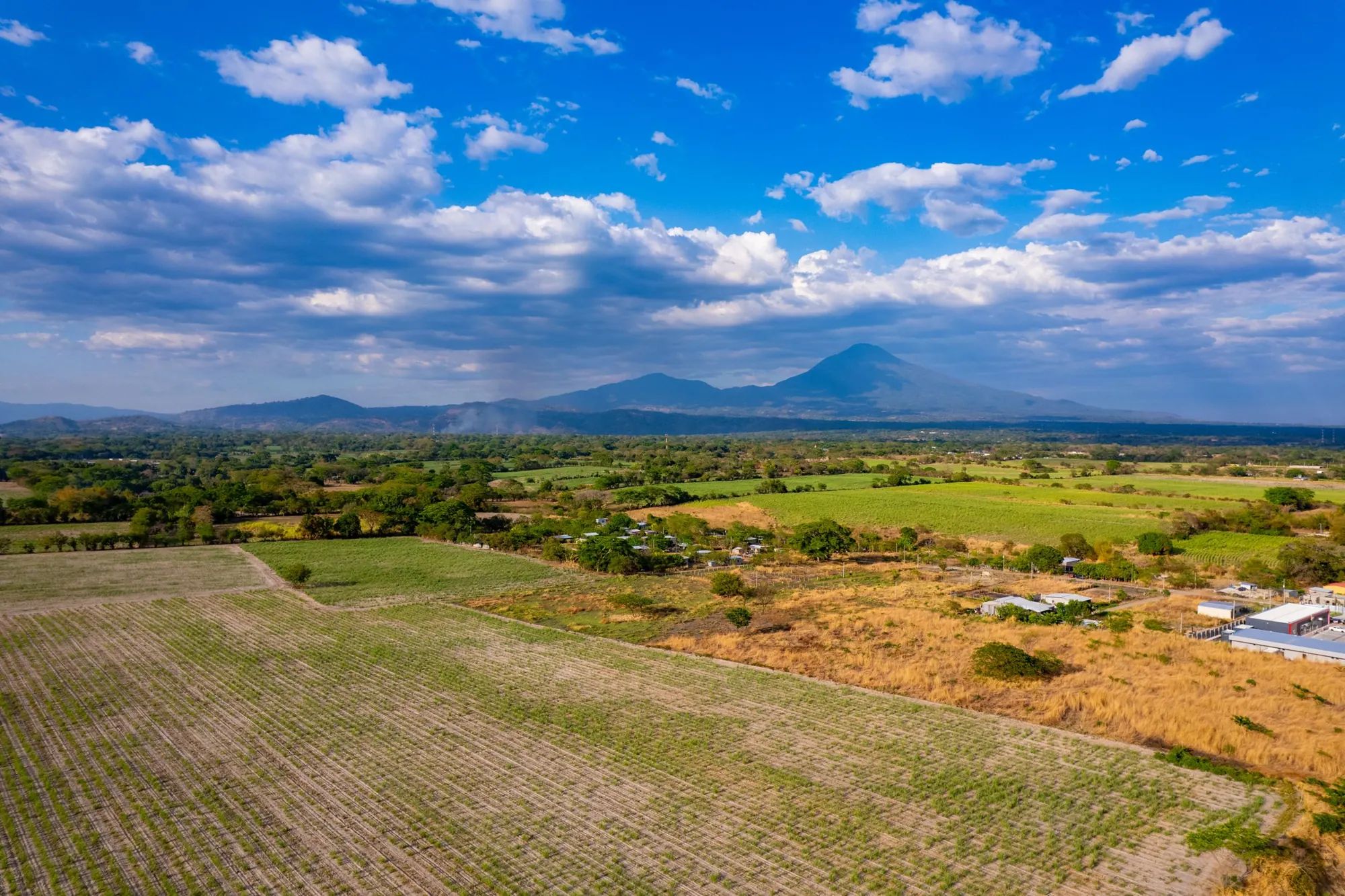
Residential subdivisions in El Salvador (lotificaciones) are governed by the Ley Especial de Lotificaciones y Parcelaciones para Uso Habitacional (Legislative Decree 993 of 2012). Article 4 bans developing a lotificación without legal approvals and bans selling lots on terms that defer the transfer of ownership until a future condition or payment unless each lot already has its own matrícula in the CNR Property Registry. Installment contracts must state the subdivision permit, the developer’s registration number and the lot’s matrícula, and the developer must transfer title within 30 days of the final payment. Subdivisions developed and sold before 7 September 2012 without valid permits fall under a separate 2023 regularization law.
What to keep in mind
- No individual matrícula for the lot means no installment sale under Article 4.
- Check the developer in the public Registro de Desarrolladores Parcelarios.
- Read the contract against the ten items Article 14 requires.
What counts as a lotificación?
Article 3 of the 2012 law defines a lotificación as the simultaneous or successive division of a property for commercial purposes when it can give rise to a population center. A lote or parcela is a portion of the divided land, legally or in fact. The lotificador sells lots for itself or for others. The lote-habiente is the buyer who holds a lot under a paid contract.
Article 2 excludes some projects, among them complete urbanizations classified as types 1 and 2, state projects, and land in protected natural areas, archaeological zones, road rights of way, river and ravine protection zones and risk zones. If a seller says the law does not apply to their project, ask which exclusion they rely on.
Ley Especial de Lotificaciones y Parcelaciones para Uso Habitacional (D.L. 993, 2012)
What does Article 4 require before a lot is sold on installments?
Article 4 prohibits developing a lotificación without the legal approvals. It also prohibits selling lots under any arrangement that postpones the transfer of ownership until a future condition or the payment of the price, unless the lot has its own individual matrícula in the CNR Property Registry. The matrícula must be created after verification by the CNR’s cadastral maintenance office, through a desmembración en cabeza de su dueño (division recorded in the owner’s own name).
Article 4 treats contracts made in breach of this rule as having an unlawful object. In practice: ask for the lot’s own matrícula number and order a certificación extractada for that matrícula, not for the mother property (inmueble general). If only the mother property has a matrícula, the lot has not been individualized.
Ley Especial de Lotificaciones y Parcelaciones para Uso Habitacional (D.L. 993, 2012)
A plan, an advertised line, and a road answer different questions.
- Plan reference
- Advertised boundary
- Visible access route
Example only. A difference calls for investigation; it does not establish the correct boundary. A visible road does not establish a right to use it.
Is the developer registered?
Article 11 created a public Registro de Desarrolladores Parcelarios (registry of subdivision developers) in the Viceministerio de Vivienda y Desarrollo Urbano (VMVDU). Only registered developers may sell lots under the law. The 2023 regularization law was introduced through the Ministry of Housing, so ask that ministry where the registry is kept today. Article 12 says the registry includes the developer’s general details and the full text of final sanction decisions against it.
Article 10 requires the CNR, the VMVDU and the municipality to make information on approved, registered lotificaciones available to the public free of charge. Ask the developer for its registration number, then confirm it with the authority rather than relying on a copy.
- Developer’s registration number
- Subdivision permit reference, date and issuing authority
- Any sanction decisions in the developer registry
- Municipality’s list of authorized lotificaciones
Ley Especial de Lotificaciones y Parcelaciones para Uso Habitacional (D.L. 993, 2012)
What must an installment contract contain?
Article 14 requires installment contracts to be in an authenticated private document or a public deed, at the buyer’s choice, before a notary the buyer chooses. They must state at least: the parties and, if the signer is not the owner, their authority; the property’s description, area, matrícula and any liens; the subdivision permit reference, date and issuing authority; the developer’s registration number; price and payment terms; the buyer’s possession while paying; the developer’s obligation to transfer title within 30 days of full payment; withdrawal and termination terms; and beneficiaries in case of death.
The owner must sign in person or through a special power of attorney. The notary must give the buyer a testimonio. Under Article 16 the developer must send a copy of the contract to the municipality within 90 days. Under Article 15, regular payments toward a lot offered for sale are presumed to be an installment contract even without one on paper.
- Matrícula of the lot and liens on it
- Permit reference and developer registration number
- Price, schedule and what happens on late payment
- 30-day deadline to transfer title after full payment
- Beneficiary designation
Ley Especial de Lotificaciones y Parcelaciones para Uso Habitacional (D.L. 993, 2012)
What protections does a buyer have while paying?
Once the project is approved, Article 22 has the approval and permit presented to the registry so a preventive annotation is recorded on the property, and the property must be free of liens for that. Article 23 says that if the developer sells the whole property, the new owner assumes the obligations to lot buyers. Article 24 says creditors of the developer or owner cannot attach the lots to the detriment of lot buyers. Article 20 makes the developer and the landowner jointly liable to the buyer.
Articles 17 and 18 let the buyer assign the contract and name beneficiaries. Article 66 makes the buyer’s rights under the law irrenunciable (cannot be waived). Article 28 gives the Defensoría del Consumidor (consumer protection agency) power to sanction several breaches, including selling lots in violation of Article 4 and refusing to transfer title after full payment.
Ley Especial de Lotificaciones y Parcelaciones para Uso Habitacional (D.L. 993, 2012)
What about older subdivisions sold before 2012?
Many lots were sold before the 2012 law. The Ley Especial para la Regularización de Lotificaciones y Parcelaciones para Uso Habitacional (Legislative Decree 805, dated 26 July 2023) governs the regularization of residential subdivisions developed and sold before 7 September 2012. Its preamble records that the 2012 law’s transitional regime ended on 6 July 2020, and Article 66 repeals the 2021 transitional law that followed.
If the lot sits in an older subdivision, ask whether the subdivision is in a regularization process, at what stage, and whether individual matrículas have been created. The 2023 law keeps exclusions for risk zones, river protection zones, protected areas and invasions. A lot that cannot be individualized cannot be registered in your name.
Area, boundaries and the tax on each parcel
The Civil Code treats a sale by area differently from a sale as a whole. Under Article 1635, if a property is sold by area and the real area differs from the stated one by more than one tenth of the price, the buyer may adjust the price or withdraw. Article 1637 limits these claims to one year from delivery. Article 52 of the subdivision law, in its chapter on registering subdivisions, requires the developer and the professional who made the survey to declare under oath, in a public deed, that the plans match the real area and boundaries.
For tax, Article 4 of the transfer tax law says that when a property is subdivided, each parcel is treated as an independent property. Each lot gets its own US$28,571.43 threshold. Walk the lot with the plan and, if the corners are not marked, ask for a survey.
A checklist before paying a reservation
Reservation fees are where buyers lose money with the least paperwork. Do not pay one until you have the lot’s matrícula number and the developer’s registration number. Both are quick to obtain if they exist.
A Salvadoran attorney or notary should review the contract and the registry status for the specific lot before you sign.
- Lot’s own matrícula and a fresh certificación extractada
- Developer registration number, confirmed with the authority
- Subdivision permit and approved plan
- Contract covering all Article 14 items
- Water, drainage and road access described in the permit or plan
- Survey or marked corners matching the plan
Common buyer questions
What law regulates lotificaciones in El Salvador?
The Ley Especial de Lotificaciones y Parcelaciones para Uso Habitacional, Legislative Decree 993 of 25 January 2012. Older subdivisions sold before 7 September 2012 are regularized under Legislative Decree 805 of 2023.
Can a developer sell me a lot on installments without its own title?
Article 4 of the 2012 law prohibits selling lots on terms that defer the transfer of ownership unless each lot already has its own matrícula in the CNR Property Registry.
How long does the developer have to give me title after I finish paying?
Article 14 requires the contract to include the developer’s obligation to transfer title within a period not exceeding 30 days after full payment, and to deliver the documents needed within 30 days.
Where can I complain about a lot developer?
Article 28 gives the Defensoría del Consumidor’s sanctioning tribunal power over several breaches, including illegal installment sales and refusal to transfer title after full payment.
Sources and editorial notes
- Ley Especial de Lotificaciones y Parcelaciones para Uso Habitacional (D.L. 993, 2012)
Supreme Court documentation centre text. Art. 4 requires an individual registry matrícula before lots are sold on installment terms; Art. 14 sets installment contract contents.
- Ley Especial para la Regularización de Lotificaciones y Parcelaciones para Uso Habitacional (D.L. 805, 2023)
Supreme Court documentation centre text of the 2023 law for subdivisions developed and sold before 7 September 2012.
- Código Civil de El Salvador
Arts. 667, 680 and 683 (registration and third parties), 1425 (promise to contract), 1605 to 1610 (sale formalities, arras, costs) and 1634 to 1637 (sale by area or as a whole).
- Ley del Impuesto sobre Transferencia de Bienes Raíces (D.L. 552, 1986), consolidated text
Reproduction of the transfer tax law with its reforms and the 1993 authentic interpretation (D.L. 534). Arts. 2, 3, 4, 7, 8, 9 and 20 cover the taxpayer, valuation, rate, declaration and payment.
- CNR: Property and Mortgages Registry services
Official descriptions of registry records, including literal and extract certifications.
Official references consulted October 12, 2026. Check current requirements with the responsible professional.
Prepared by PropertyProof editorial as a buyer checklist. No property has been reviewed for this article. Property-specific legal or technical conclusions require qualified professionals; professional legal review of this content is pending.
How we separate evidence, statements, and unknownsLand & boundary checks
Compare the property description with available cadastral information and identify questions about boundaries, access, and the need for a survey.
Read the planned scopeJoin this service waitlistForthcoming service. No payment to join.